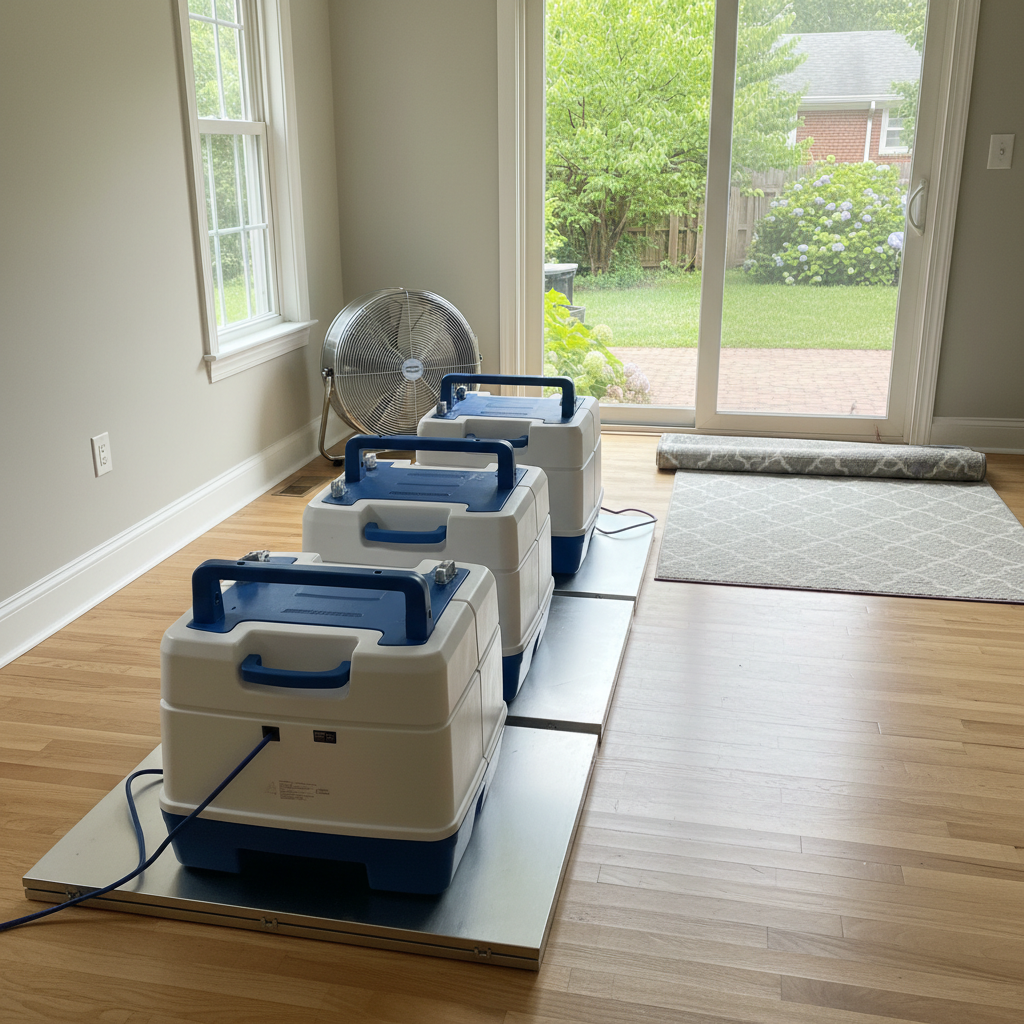
You’ve been through it. Water damage, the structural drying process, the fans, the dehumidifiers — it’s a relief when it’s all done, right? Absolutely. But here’s the thing: structural drying isn't a magic bullet that makes your home immune to future water issues. It's a critical step to fix a problem, but maintaining that dryness and preventing a recurrence takes a little ongoing effort from you. Think of it like getting your car fixed after an accident; you still need to do regular oil changes and tire rotations.
Extending the Life of Your Structural Drying Investment
When we dry out a structure, whether it’s after a burst pipe or a nasty basement flood from a Potomac River overflow, we're not just getting rid of surface water. We're pulling moisture out of wood, drywall, concrete, and insulation. To make sure that investment lasts, you need to keep an eye on a few things. First off, good ventilation is key. Don't seal up your house tighter than a drum, especially in areas that were affected. Let air circulate. Consider using exhaust fans in bathrooms and kitchens more frequently, and if you have a basement, a good dehumidifier running consistently can be a lifesaver, especially during our humid DC summers.
Another big one: fix those small leaks immediately. A drip under the sink might seem minor, but over time, it can reintroduce moisture into the very materials we just worked so hard to dry. We're talking about preventing a slow creep of moisture that can undo all the good work.
Regular Maintenance: What You Need to Do
So, what does 'regular maintenance' actually look like? It's not rocket science, but it does require some consistent attention. You'll want to:
- Check your gutters and downspouts: Make sure they're clear of leaves and debris, especially after a storm. Clogged gutters can send water right down your foundation, and that's just asking for trouble, particularly with the clay soil we often see around neighborhoods like Columbia Heights or Petworth.
- Inspect your plumbing: Periodically look under sinks, around toilets, and near appliances like your washing machine or water heater. Look for any signs of dampness, rust, or small puddles.
- Monitor your indoor humidity: A hygrometer is a cheap tool that can tell you a lot. Aim for indoor humidity levels between 30-50%. If it’s consistently higher, especially in a previously affected area, you might need to run a dehumidifier more often or look for a hidden moisture source.
- Keep an eye on your foundation and exterior: Look for cracks, gaps, or areas where water might be pooling near your home’s base. Proper grading around your house should direct water away, not toward it.
These aren't big, time-consuming tasks, but doing them regularly can save you a huge headache down the road.
Warning Signs of New Problems
How do you know if something's going wrong again? Your nose and eyes are your best tools. If you start smelling a musty, earthy odor, that's a huge red flag. Mold often gives itself away by smell before you can even see it. Look for:
- Stains or discoloration on walls, ceilings, or floors: Yellow, brown, or even greenish spots can indicate water intrusion.
- Peeling paint or wallpaper: Moisture can cause finishes to lose adhesion.
- Warping or buckling materials: Wood floors, baseboards, or drywall can start to deform when they absorb too much moisture.
- Condensation on windows or pipes: While some condensation is normal, excessive amounts, especially combined with other signs, could point to high indoor humidity or a leak.
- Damp or clammy surfaces: If an area feels perpetually cool and damp to the touch, even when the rest of your home is dry, it's worth investigating.
Don't ignore these signs. They're your home trying to tell you something.
When to Call a Professional
You can handle a lot of the routine checks yourself, but there are times when you absolutely need to call in the pros. If you see active water intrusion, a significant leak, or widespread mold growth, don't try to DIY it. Structural drying is a specialized process, and so is dealing with its aftermath if things go sideways.
You should call us at Neighborly Restoration, or another reputable company, if:
- You find a new, unexplained water source or leak.
- You notice persistent musty odors that don't go away with ventilation.
- You see signs of mold growth spreading beyond a small, easily cleanable patch.
- Your dehumidifier can't keep up, and humidity levels remain high in a previously affected area.
- You're unsure about the source of a dampness problem.
We’ve seen it all in DC, from historic rowhouses to modern condos. Catching problems early is always cheaper and less disruptive than waiting until they become major issues. Your home is a big investment; protecting it means staying vigilant, even after the drying fans are gone.
```